GDPR’s Hidden Pitfalls: How “Fake” Emails, Public Docs, and Geopolitics Converge into Real Privacy Disasters
A three-part investigation into GDPR exposures. “Fake” placeholder emails in public documents turned out to be real addresses. We compared how Microsoft and Vodafone Romania handled a removal request and a disclosure, then examined how short-sellers, rival states and competitors could exploit fines and leaks, with defensive measures.
WebThreat Research · Published · 6 min read
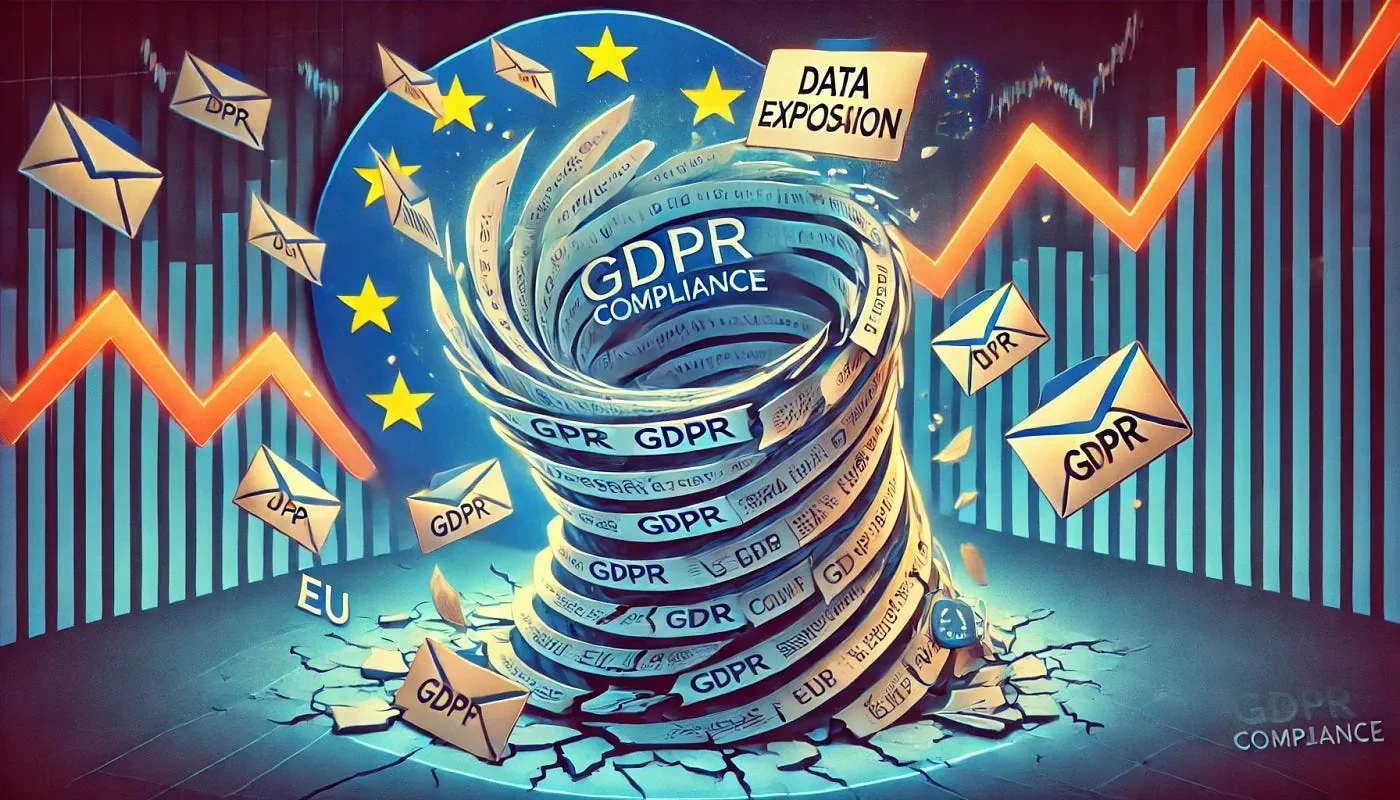
From Placeholder Oversights to Global Financial Manipulation: Our Full Journey (Parts I, II & III)
Introduction
When data protection laws intersect with everyday negligence, the implications can extend far beyond hefty regulatory fines. From “fake” placeholder emails that turn out to be real, to XML documents exposing customer records, misconfigurations can become ticking time bombs, both legally and financially.
In this trilogy, we’ve uncovered how easily “harmless” examples morph into GDPR fiascos, how big-name brands (Microsoft, Vodafone) handle these slip-ups, and now, how bad actors or market players can exploit these vulnerabilities for profit.
This is the complete story, including our final chapter on Part III: The weaponization of GDPR, and how fines, short-sellers, and competitor states might leverage data fiascos to spark financial meltdowns.
Part I: The Accidental Discovery That Sparked an Investigation

When Placeholder Emails Aren’t So Harmless
A casual look at GDPR Enforcement Trackers led us to suspect that some “fined” companies might still have live data exposures. Sure enough, we found “dummy” emails in user guides that turned out to be real addresses, exposing unsuspecting individuals’ contact info to the public.
Key Discovery: A single Google Dork can unearth tens (if not hundreds) of real personal data points disguised as placeholders, lurking in PDF manuals, FAQs, or ancient CSV files. If the data subject doesn’t know, no complaint is filed, so the problem festers, unnoticed and unremedied.
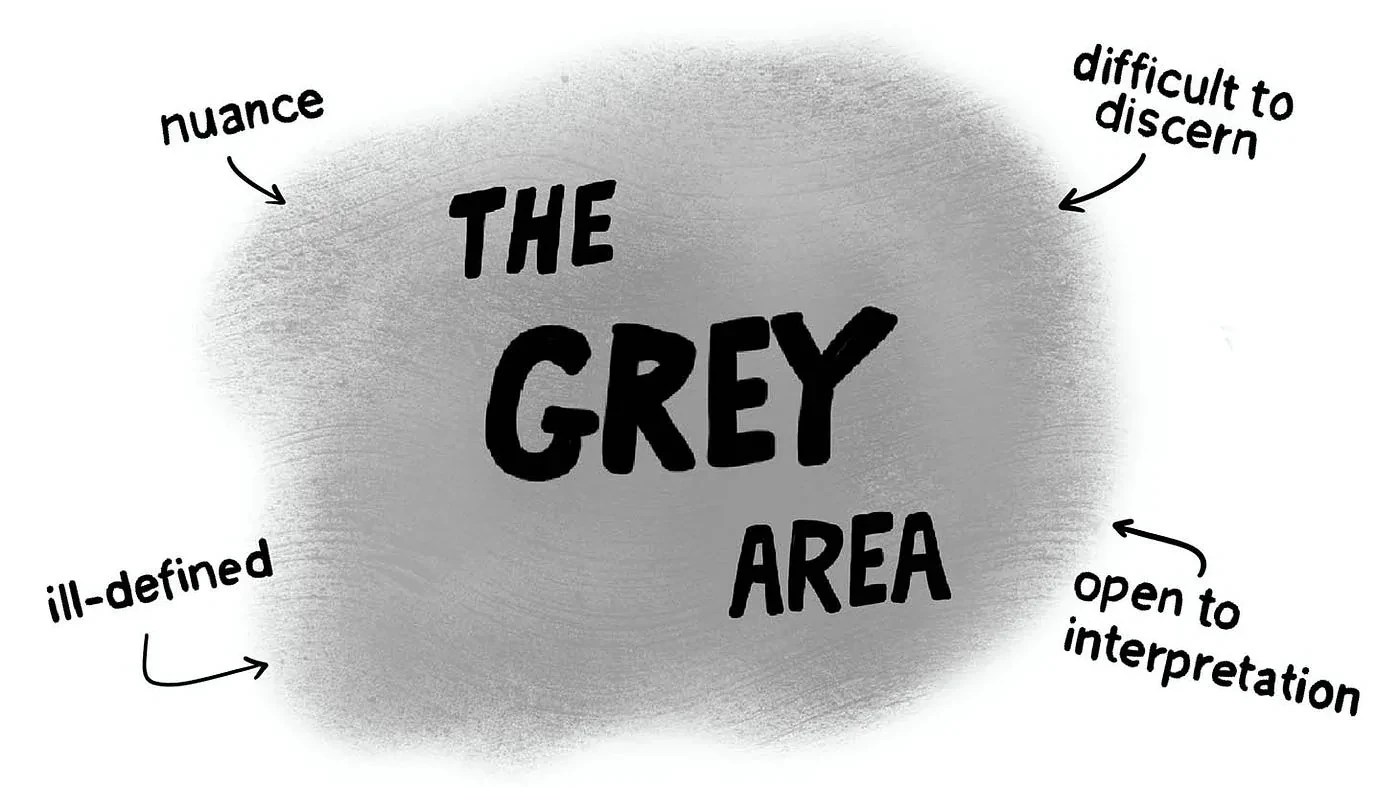
Legal Gray Zone
One GDPR consultant told us:
“If the data is removed upon request, it’s not a breach. But if left unaddressed, it could escalate.” Consultant for the portuguese CNPD, the supervisory authority responsible for the enforcement of personal data protection laws and regulations in Portugal.
In other words, accidental exposure stays below the radar until someone actively complains. That “someone” could be a well-intentioned researcher, or it could be a malicious actor eager to exploit it.
Part II: Case Studies with Microsoft & Vodafone Romania
1. Microsoft’s ‘Nameplace’ Misplacement
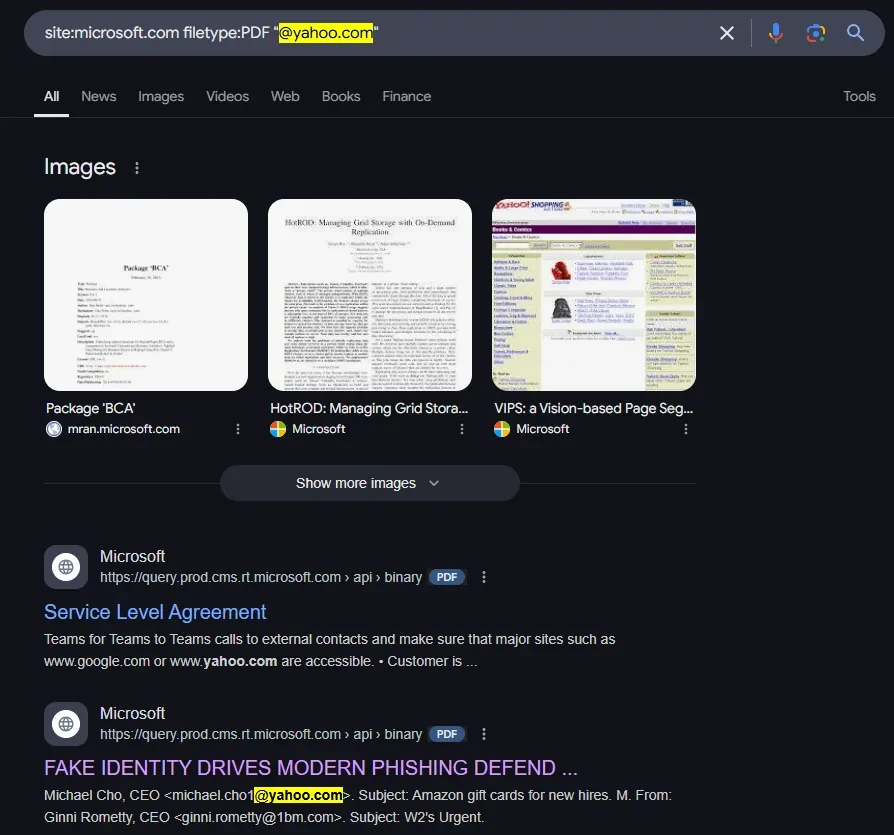
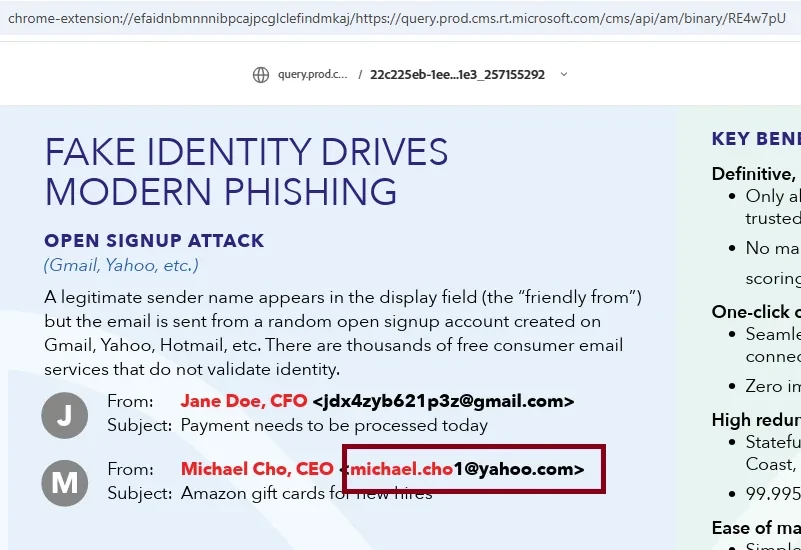
Scenario: While analyzing microsoft.com, we found references to [email protected] in publicly accessible docs, presumably a “fake email.” We then registered that address to see if Microsoft would respond properly when an unsolicited “data subject” asked for removal.
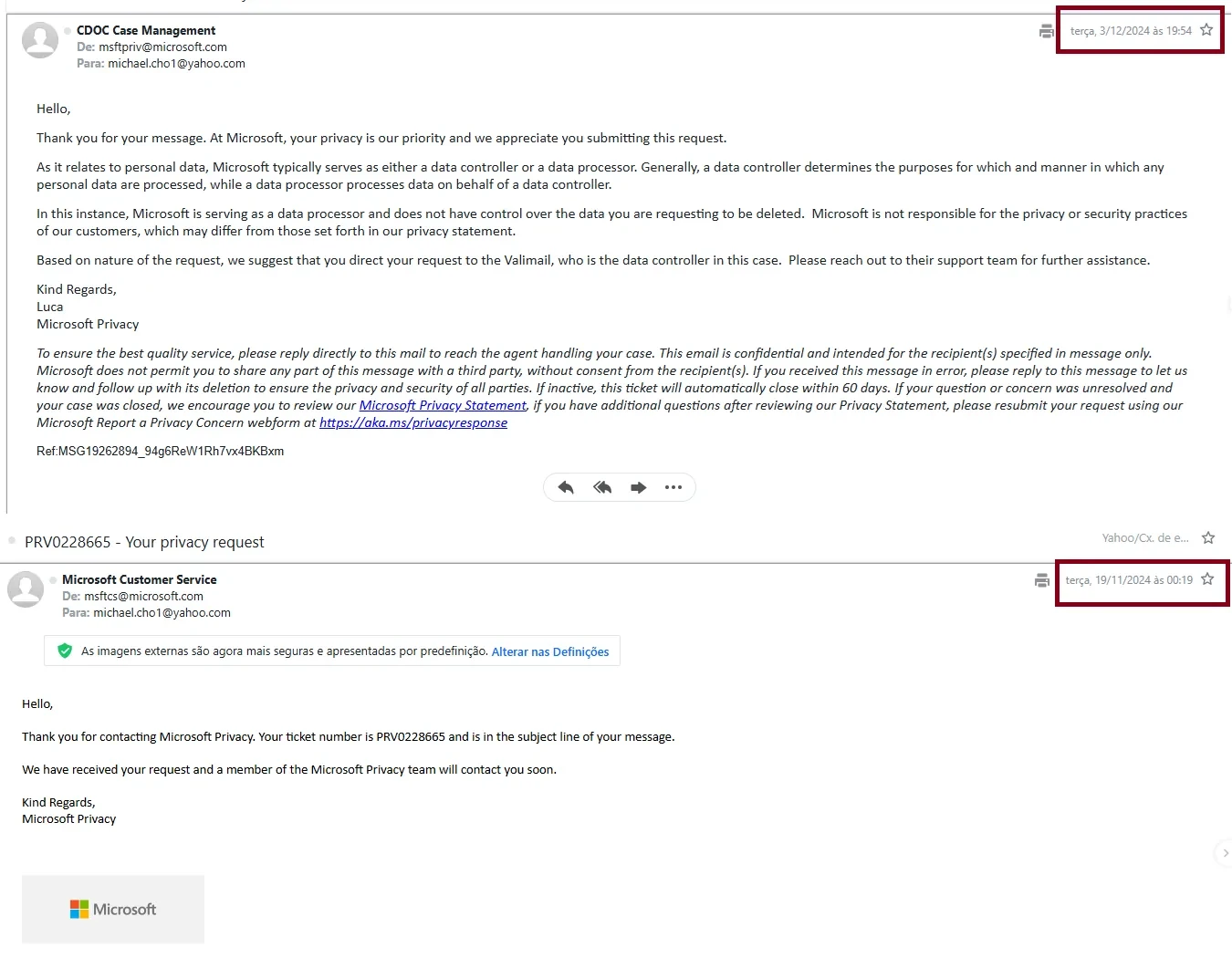
Outcome:
- 14-Day Reply: Microsoft responded within two weeks, under GDPR’s 30-day window.
- They Disclaimed Liability: As a data processor, they claim final accountability lies with whichever client posted or authored the content.
- Serious Tone: Despite disclaiming direct fault, Microsoft engaged promptly, explaining the chain of responsibility.
2. Vodafone Romania’s Repeated GDPR Woes
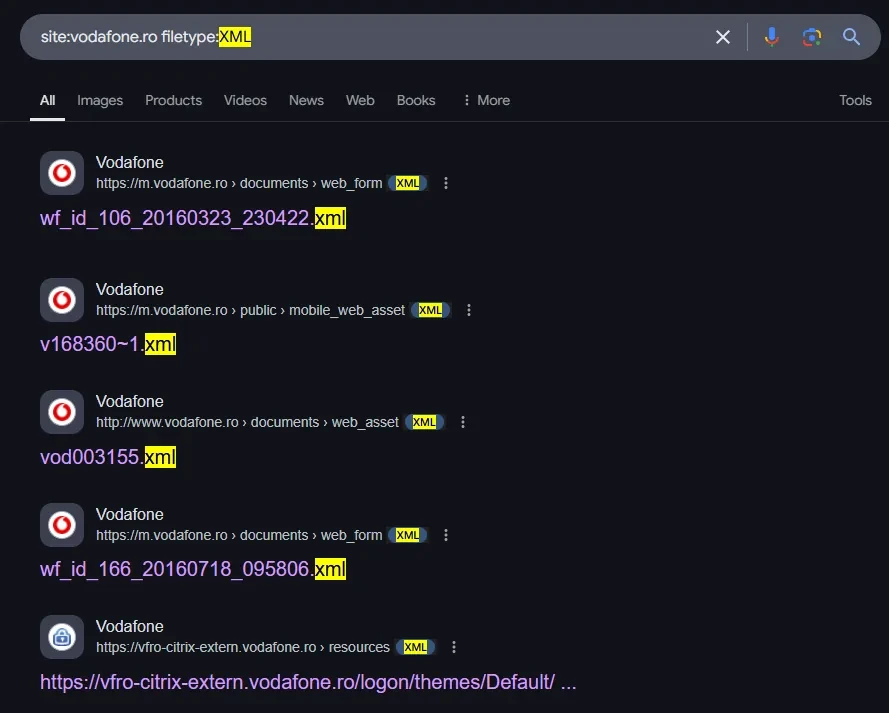
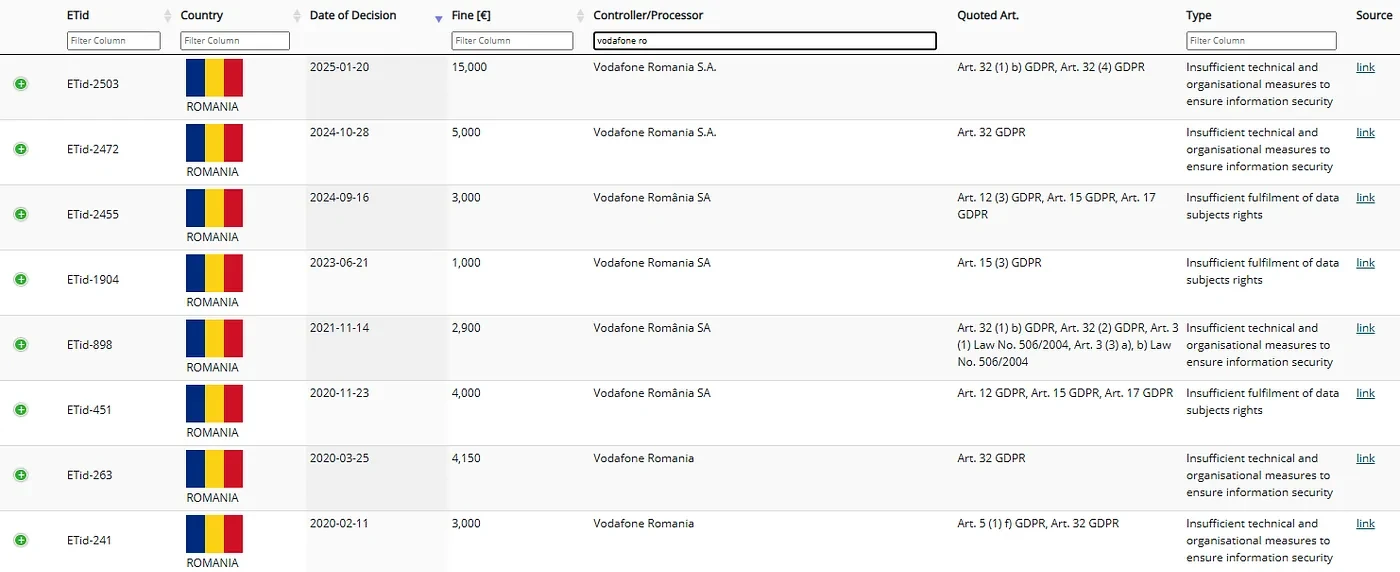
Scenario: A publicly available XML file on vodafone.ro was leaking user data. Vodafone Romania has racked up eight GDPR fines since 2020, the latest only days before our disclosure (source).
Outcome:
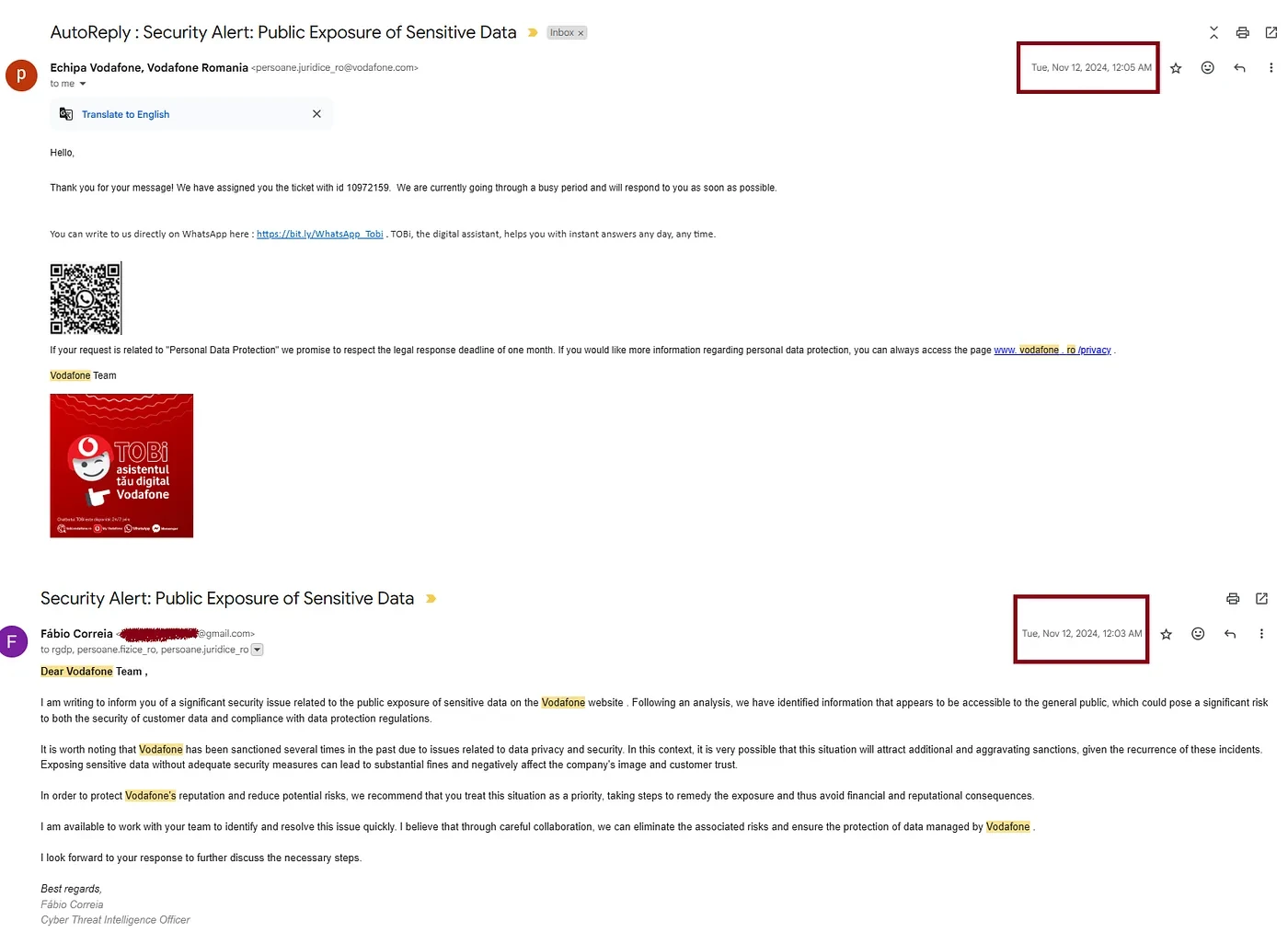
- Generic Auto-Reply: They acknowledged the ticket but lacked the swift closure we saw from Microsoft.
- Systemic Negligence?: The repeated fines suggest a pattern of slow or inadequate remediation.
- Possible Real-World Consequences: Consumers’ personal data out in the open, fueling phishing or identity theft.
- “30 Days rule”: They broke it. Nothing’s been done.
Part III: Weaponizing GDPR for Financial (and Geopolitical) Gain
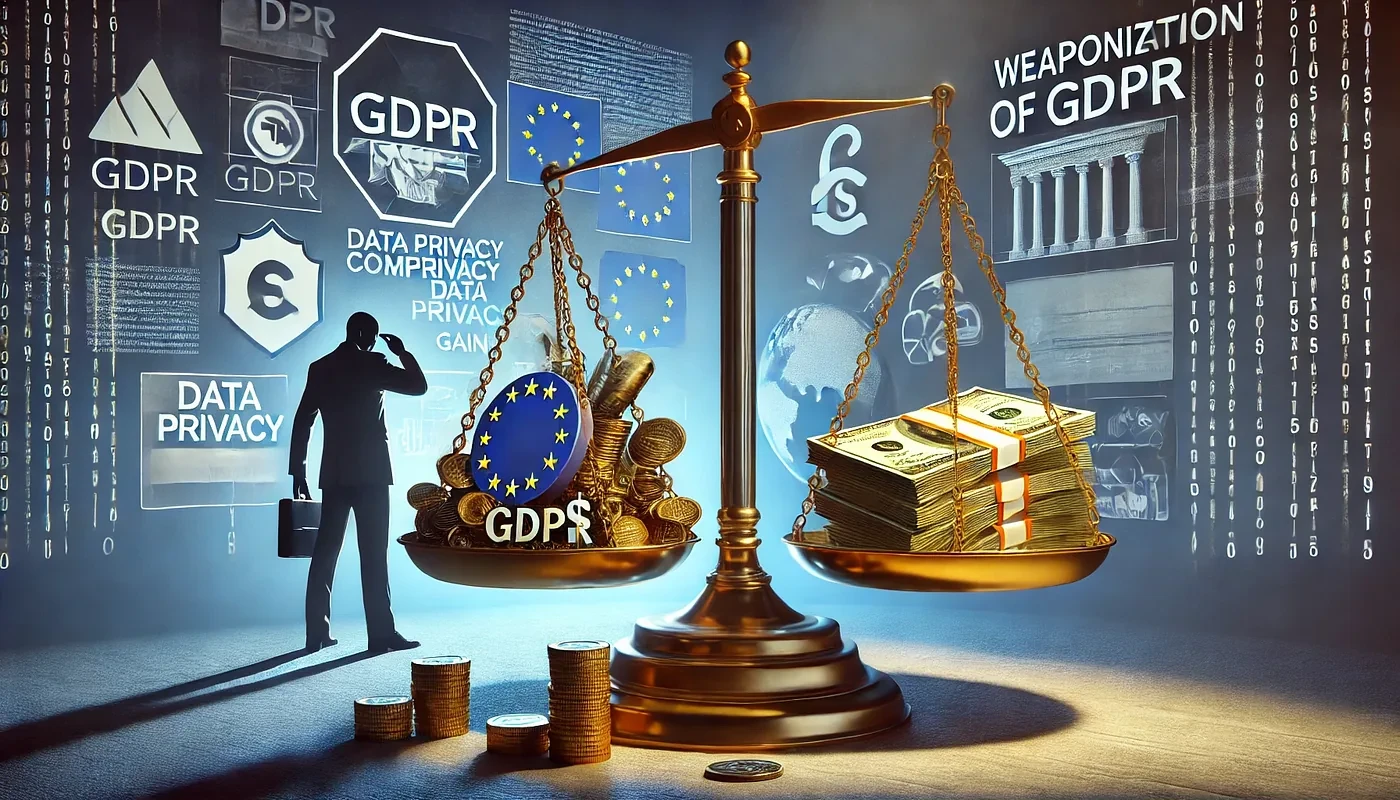
By this stage, you might think these exposures only matter to data subjects or regulators. But in Part III, we explore how unscrupulous players, short-sellers, competitive corporations, or even hostile nation-states, could exploit these vulnerabilities for massive economic or political advantage.
1. Fines That Shake Stock Markets
On December 17, 2024, Meta (Facebook’s parent) was slapped with a €251 million GDPR fine. An internal compliance fiasco caused an explosive chain reaction on the stock market.
Look at the attached image:
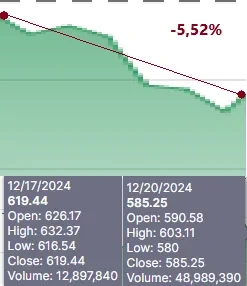
- Meta’s share price plummeted from around €619.44 (Open at 626.17) on December 17 to €585.25 by December 20, a -5.52% drop in just a few trading days, with volume surging from 12M to nearly 49M shares traded.
- This dip, while partially driven by the fine, was most likely exacerbated by short-sellers who capitalized on negative press and uncertainty.
Short-Seller Exploits
- Step 1: Spot potential GDPR compliance issues (like “fake” placeholders or significant data leaks).
- Step 2: Tip off regulators or leak to media, accelerating the investigation or fueling public backlash.
- Step 3: Short the company’s stock in anticipation of the inevitable news-driven dive.
In a matter of days, entire fortunes can be made or lost, turning genuine data privacy concerns into weapons of market manipulation.
2. State-Sponsored Sabotage
Geopolitical Competition: Imagine a state actor or competitor (e.g., Russia, China) covertly scanning corporate domains of Western rivals. They find a handful of misconfigured “placeholder” emails or “test” user data, quietly collect proof, then orchestrate a well-timed leak to the relevant Data Protection Authority or press.
- Outcome:
- A wave of negative publicity, investigations, and potential fines.
- Loss of public trust and share value dip (if publicly traded).
- Subtle advantage to the saboteur’s own national or corporate entities.
Why It Works:
- GDPR enforcement can be triggered by any valid complaint. If state-sponsored or competitor-backed individuals push regulators to act swiftly, the company in question faces a PR nightmare, compliance scramble, and potential stock meltdown, handing competitive or diplomatic leverage to the orchestrator.
3. Corporate Rival Sabotage
Even direct corporate rivals can weaponize accidental data exposures:
- Posing as “concerned researchers” or “whistleblowers,” they contact the Data Protection Authority, urging an immediate investigation.
- Simultaneous Press Leak: If mainstream media picks it up, the brand damage can be swift and severe.
- Financial Gains: Rival companies might see an uptick in their own share price or market share if the targeted competitor’s brand is tarnished.
Why This Weaponization Angle Matters
- Amplifies Impact: A data leak that once seemed merely about consumer privacy can suddenly roil entire markets.
- Sows Mistrust: If every data slip can be manipulated for profit or sabotage, public trust in legitimate GDPR enforcement erodes.
- Forces Proactivity: Companies must treat data protection not just as an internal compliance box but as a strategic defense measure against hostile manipulations.
Defensive Measures: How to Avoid Being the Next Headline
1. Frequent Self-Audits
- Internal Google Dorking: Proactively run queries like site:yourdomain.com filetype:PDF “@gmail.com” to find leftover personal data in hidden corners.
- DNS & WHOIS Sweeps: Identify any “placeholder” domains or references that might not be placeholders at all.
2. Swift Response Workflows
- Incident-Driven Action: The moment a user or researcher flags an accidental exposure, respond thoroughly. Dismissing it or stalling can attract bigger fines and bigger negative headlines.
- Legal + Comms Integration: Ensure your legal team and PR team operate in tandem. If a data leak is found, have a clear message ready for regulators, media, and customers.
3. Monitor Competitor & Regulatory Patterns
- Track Fines & Patterns: If multiple companies in your sector are getting similar fines, you could be next. Understand the root cause (e.g., placeholders in user docs) and fix them preemptively.
- Watch for Unusual Market Activity: Sudden short interest spikes or negative media “tips” might indicate someone’s preparing a data-exposure blowout.
Conclusion: A Holistic View of GDPR’s Quiet Danger
Across these three parts, we’ve journeyed from:
- Uncovering real user data behind “dummy” emails and outdated public files.
- Seeing how industry giants like Microsoft and Vodafone respond, or fail to respond, in real-world fiascos.
- Discovering the newly emerged vector where GDPR compliance gaffes can be weaponized by short-sellers, rival states, and competitors to inflict swift financial or reputational harm.
Key Takeaway: GDPR compliance isn’t just about avoiding a fine or checking a box. It’s about safeguarding your company’s entire market valuation, corporate reputation, and strategic stability. An unassuming “placeholder” can trigger million-euro penalties, brand damage, or even orchestrated sabotage by malicious actors.
What’s Next?
- Stay Vigilant: If you’re a security professional, run immediate scans for accidental placeholders or legacy PDFs that might contain actual personal data.
- Share Your Insight: Have you seen a competitor or short-seller exploit data mishaps for gain? We’d love to hear your story.
- Industry-Wide Collaboration: The best defense is collective knowledge. Encourage your sector peers to do routine checks and share newly discovered data pitfalls, so the next “Michael Cho” fiasco doesn’t become the next €250 million fine or -5.52% stock drop.
Remember: GDPR isn’t just about privacy. In a world of global markets and complex geopolitics, it can also be an unlikely lever for market chaos, unless you close those quiet holes in your data defenses.
First published on Medium on 25 January 2025.
Sources
- GDPR Enforcement Tracker, CMS, accessed
Related
Stolen-data ecosystem and actors
php2shell: the two critical PHP flaws and what to do now
php2shell is the name for two critical flaws in the PHP runtime, CVE-2026-109618 and CVE-2026-109619, both rated CVSS v4.0 9.2. They can allow unauthenticated r...
Stolen-data ecosystem and actors
Case Study: Unveiling 642,639 Government Credential Leaks Across 192 Countries
The Global Government Credential Leaks Study found 642,639 government credential leaks across 192 countries, collected from 83 dark web and Telegram sources. Br...
Attacks that use leadership data
Ransomware-as-a-Service (RaaS): How Cybercrime Went Mainstream, and How Your Business Can Stay Safe
Ransomware-as-a-Service lets developers lease ransomware to affiliates for a share of the profits, so attackers no longer need elite skills. Small and medium-si...
See your leadership's exposure
CEM finds your executives from your company name, checks them against breach corpora and leak databases, and scores each person from 0 to 100.